Fence Height Rules & Permit Requirements by State
Before you buy materials or dig a single post hole, you need to know what your city, county, and HOA actually allow. Height limits, setback requirements, and permit rules vary widely — and building the wrong fence can mean tearing it down at your own expense. This guide covers the general rules across the United States and tells you exactly how to find the regulations that apply to your property.
General Residential Rules
While every jurisdiction is different, the overwhelming majority of U.S. cities and counties follow a similar framework for residential fence heights:
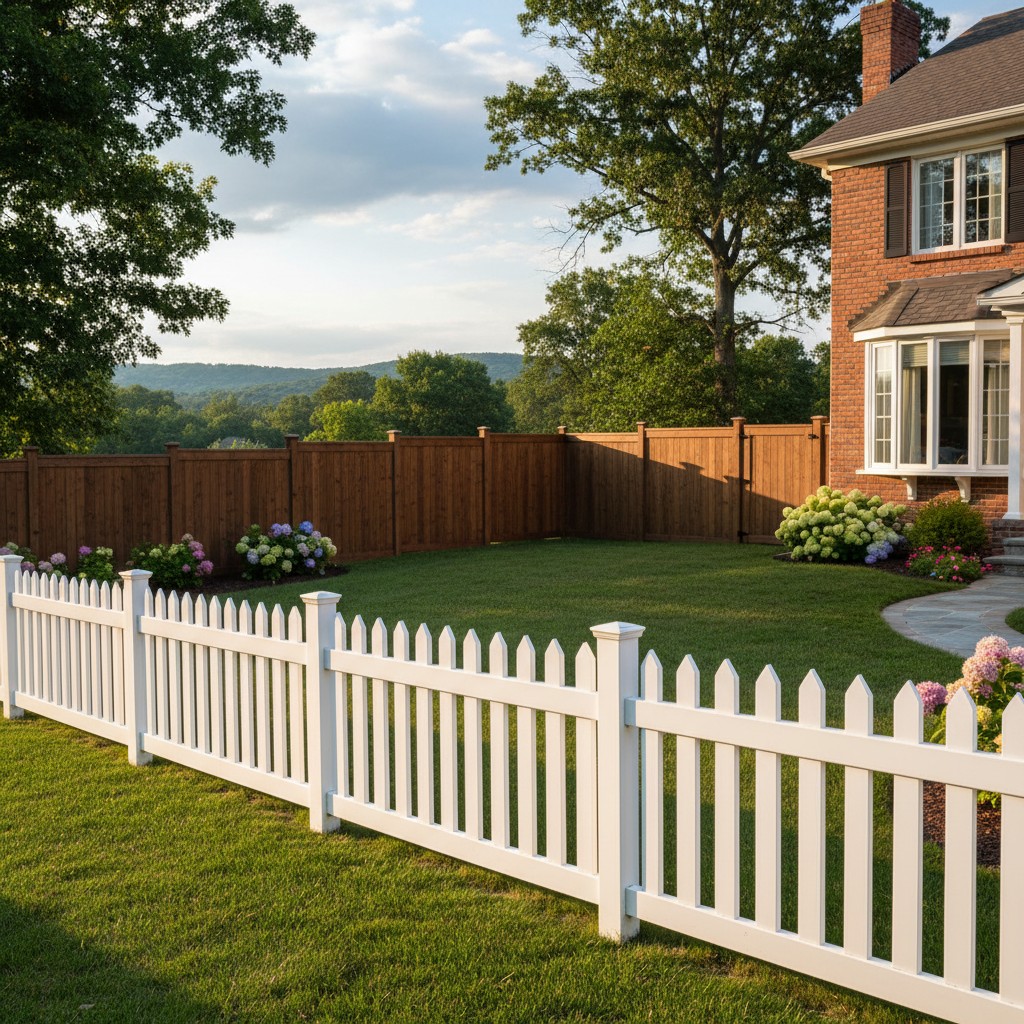
- Front yard: 3 to 4 feet maximum. Most codes define the "front yard" as the area between the front face of the house and the street. Some codes measure from the front property line; others use the building setback line. Decorative fences (picket, wrought iron) are generally permitted, while solid privacy fences in the front yard are often prohibited outright.
- Side yard (street side on corner lots): Often treated like a front yard — 3 to 4 feet — because it faces a public road. Corner lot owners should pay special attention to this rule, as it catches many people off guard.
- Side and back yard: 6 feet is the most common maximum without a permit. This is where most privacy fences go, and 6 feet is tall enough to block sightlines from a standing position in most cases.
- 8-foot fences: Some jurisdictions allow 8-foot fences in the back yard with a permit or variance. Others cap at 6 feet regardless. If you want extra height for privacy or security, check before you buy 8-foot posts.
Use our fence calculator to estimate materials once you know your allowed height — the difference between a 6-foot and 8-foot fence significantly changes post length, board count, and total cost.
Common Setback Requirements
A fence setback is the minimum distance your fence must be from the property line, sidewalk, street, or easement. Getting this wrong is one of the most expensive mistakes a homeowner can make — if your fence encroaches on a neighbor's property or a public easement, you may be ordered to remove it.
Typical setback rules:
- 2 to 6 inches inside your property line: This is the most common residential requirement. The fence must be entirely on your property, not straddling the line.
- Street-side setbacks: Many codes require 10 to 15 feet from the curb or edge of pavement along streets. Sight-line triangles at intersections may push fences even further back on corner lots.
- Easement restrictions: Utility easements (typically 5-10 feet along property edges) may prohibit permanent structures entirely. Check your plat survey for easement locations.
Pro tip: Get a professional survey before building if you have any doubt about your property lines. A survey costs $300-$800 — far less than removing and rebuilding a fence that's 6 inches over the line.
HOA Considerations
Homeowners association covenants, conditions, and restrictions (CC&Rs) are legally binding private contracts that can impose rules stricter than local code. If you live in an HOA community, their rules effectively become your minimum standard. Common HOA fence restrictions include:
- Maximum height below city code — An HOA might limit back yard fences to 4 feet even where the city allows 6 feet.
- Approved materials only — Many HOAs prohibit chain link, require wood or vinyl, or mandate a specific style (e.g., board-on-board, no stockade).
- Color restrictions — Some HOAs require fences to be stained or painted in approved colors.
- Architectural review — You may need to submit plans and receive written approval before building.
- No front yard fences at all — Common in suburban HOAs to maintain open streetscape.
Important: An HOA cannot give you more permission than local code allows. If your city caps fences at 6 feet, the HOA cannot approve 8 feet. But they absolutely can restrict you further than the city does.
How to Check Your Local Codes
Here is the exact process to find the fence regulations that apply to your property:
- Search "[your city] fence ordinance" or "[your county] zoning code fence" — Most municipalities now publish their zoning code online. Look for the residential zoning section (often Chapter 17 or similar in the municipal code).
- Call your city or county building department — If you cannot find the code online, call the planning or building department. They can tell you the height limits, setback requirements, and whether you need a permit. This call takes 5 minutes and can save you thousands.
- Check for HOA rules — Review your CC&Rs (you received a copy at closing). If you cannot find them, your HOA management company or board can provide a copy.
- Review your property survey — Find your plat survey from your closing documents. It shows property lines, easements, and setback lines. If you do not have one, your county recorder's office may have it on file.
- Call 811 before you dig — This is a federal requirement. Dial 811 at least 48 hours (some states require 72 hours) before digging to have underground utilities marked for free.
When You Need a Permit
Permit requirements vary significantly by jurisdiction, but here are the most common triggers:
- Height exceeds 6 feet — The single most common permit trigger nationwide.
- Front yard fences — Many cities require a permit for any fence in the front yard, regardless of height.
- Corner lot sight triangles — Fences within sight-line triangles at intersections often need special review.
- Fences near waterways or wetlands — Environmental setback zones frequently require permits.
- Historic districts — Properties in designated historic areas typically need design review board approval.
- Commercial-zoned or mixed-use properties — Different rules apply than purely residential zones.
Fence permits typically cost $50-$200 and take 1-3 weeks to process. Some jurisdictions offer over-the-counter permits for standard residential fences that you can get the same day. The penalty for building without a required permit — including potential demolition orders — is far more costly than the permit itself.
Neighbor Notification
Even if your jurisdiction does not legally require it, talking to your neighbors before building a fence is one of the smartest things you can do. That said, several states have specific "good neighbor" fence laws you should know about:
- California (Civil Code 841): Adjoining landowners are presumed to share equally in the responsibility for maintaining a boundary fence. Written 30-day notice is required before making changes to a shared fence.
- "Good side out" rules: Many cities require the "finished" or "good" side of the fence (the side without visible rails and posts) to face the neighbor or the street. This is both a courtesy and a code requirement in many places.
- Shared fence costs: In some states, if both properties benefit from a boundary fence, costs may be split. However, if only one party wants the fence, they typically bear the full cost.
- Spite fence laws: Several states (including California, Connecticut, and others) have laws against "spite fences" — fences built solely to annoy a neighbor, often defined as fences over 6 feet with no reasonable purpose.
Best practice: Show your neighbor the fence plans, discuss the exact placement relative to the property line, and agree on which side faces out. A 10-minute conversation prevents years of disputes. Consider a board-on-board style that looks the same from both sides if aesthetics are a concern.
Related Topics
- Fence Material & Cost Calculator — Estimate materials and cost for your project
- Privacy Fence Cost: Complete Pricing Guide — Full cost breakdown by material type
- How to Build a Privacy Fence — Step-by-step DIY tutorial from layout to finishing